
Air-tightness of Cleanrooms and Containment Solutions – Classification, Planning & Testing
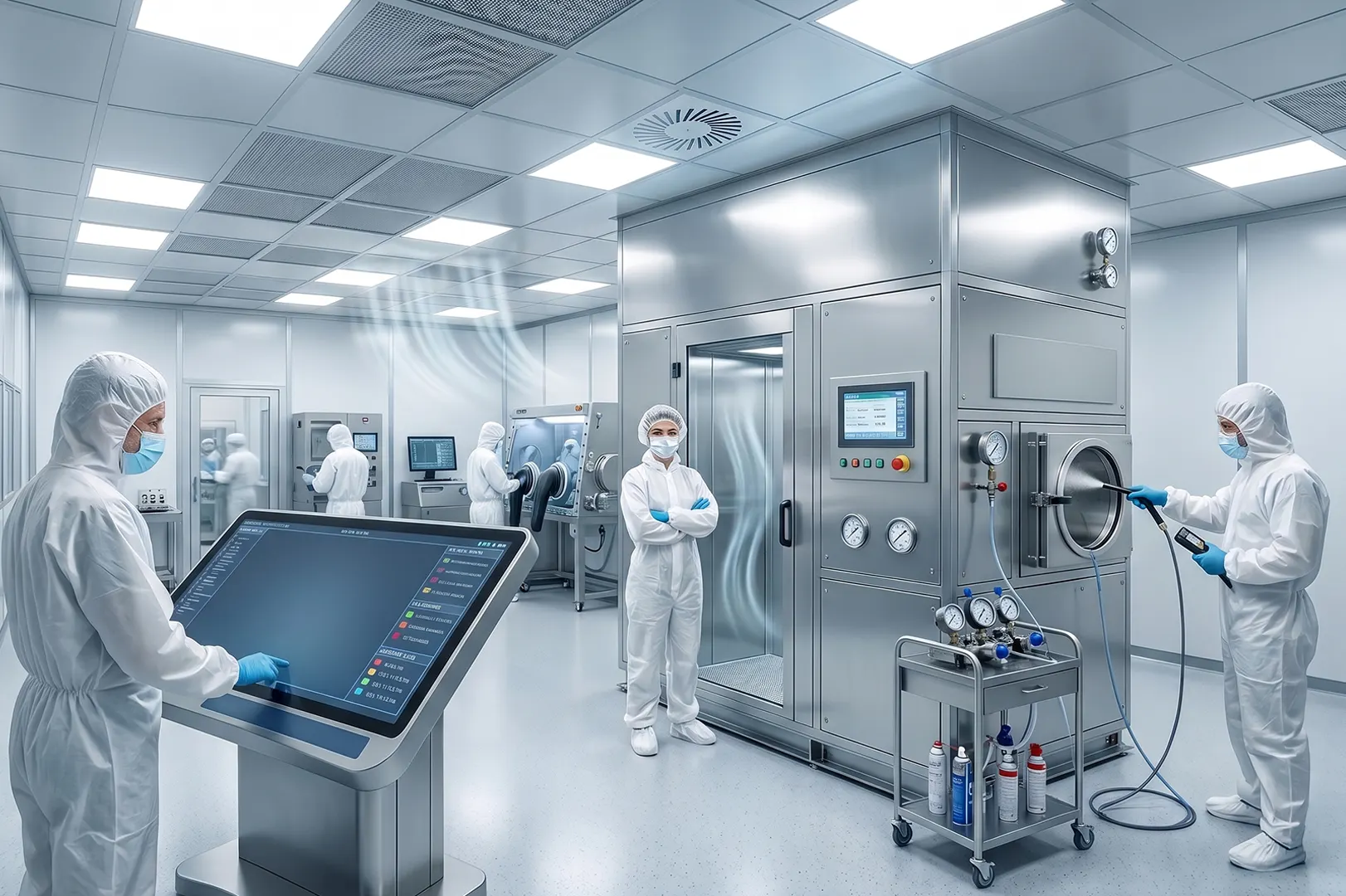
Air-tightness is one of the most important aspects of cleanrooms and containment solutions. In industries such as pharmaceuticals, biotechnology, healthcare, electronics, food processing, and research laboratories, maintaining a controlled environment is essential for product quality and safety. A cleanroom is specially designed to control airborne particles, temperature, humidity, and pressure. However, if the room is not properly sealed, contaminated air can enter the cleanroom or hazardous substances can escape from containment areas. This can affect manufacturing processes, damage products, and create safety risks for workers. Because of this, proper classification, planning, and testing of air-tightness are critical for every cleanroom facility.
What is Air-tightness in Cleanrooms?
Air-tightness refers to the ability of a cleanroom or containment system to prevent unwanted air leakage. A properly air-tight cleanroom maintains stable air pressure and controlled airflow patterns. This helps prevent contamination from entering or leaving the controlled area. Even small gaps around doors, ceiling panels, lighting fixtures, ducts, or utility penetrations can create leakage problems that affect cleanroom performance.
In containment solutions, air-tightness becomes even more important because hazardous powders, chemicals, or biological materials must remain safely enclosed. Poor air-tightness can lead to contamination risks, product rejection, equipment damage, and non-compliance with industry regulations.
Importance of Air-tightness in Cleanrooms
1. Contamination Control
The main purpose of air-tightness is to control contamination. Cleanrooms are designed to maintain extremely low particle levels, and any leakage can introduce dust, microorganisms, or pollutants into the environment. Proper sealing ensures that clean air remains inside the room while contaminated air stays outside.
2. Pressure Stability
Cleanrooms depend on pressure differentials to maintain cleanliness. Positive pressure rooms push air outward to stop contaminants from entering, while negative pressure rooms prevent hazardous materials from escaping. Good air-tightness helps maintain stable pressure levels and proper airflow direction.
3. Product Quality Protection
Industries such as pharmaceuticals and electronics manufacture highly sensitive products. Even minor contamination can damage products or reduce their quality. Air-tight environments help maintain consistent production conditions and protect products from contamination.
4. Safety for Workers
Containment systems used in chemical and pharmaceutical industries often handle hazardous materials. Proper air-tightness prevents toxic substances from leaking into surrounding areas, ensuring operator safety and environmental protection.
5. Energy Efficiency
A poorly sealed cleanroom forces HVAC systems to work harder to maintain temperature, humidity, and pressure levels. This increases energy consumption and operational costs. Proper air-tightness improves system efficiency and reduces energy losses.
Classification of Cleanrooms
Cleanrooms are classified according to the number and size of airborne particles allowed in the environment. International standards such as ISO 14644 define these classifications. Lower ISO class numbers indicate cleaner environments with stricter contamination control requirements.
← Swipe table horizontally to view all columns →
| ISO Class | Maximum Particles Allowed (≥0.5 μm per m³) | Cleanliness Level | Common Applications | Air-tightness Requirement |
|---|---|---|---|---|
| ISO 1 | 10 particles | Ultra Clean | Nanotechnology research | Extremely critical |
| ISO 2 | 100 particles | Ultra High Cleanliness | Semiconductor production | Extremely critical |
| ISO 3 | 1,000 particles | Very High Cleanliness | Precision electronics | Very high |
| ISO 4 | 10,000 particles | High Cleanliness | Advanced laboratories | Very high |
| ISO 5 | 100,000 particles | Sterile Environment | Injectable drug filling | Highly critical |
| ISO 6 | 1,000,000 particles | Controlled Environment | Medical device manufacturing | High |
| ISO 7 | 352,000 particles | Medium Cleanliness | Pharmaceutical production | Moderate to high |
| ISO 8 | 3,520,000 particles | Basic Controlled Area | Packaging and storage | Moderate |
| ISO 9 | Similar to normal room air | General Environment | Standard industrial spaces | Basic |
Types of Containment Solutions
1. Isolators
Isolators are sealed containment systems used to separate hazardous or sterile processes from the external environment. These systems are commonly used in pharmaceutical manufacturing and laboratory applications. Air-tight construction is essential to maintain safe operation.
2. Glove Boxes
Glove boxes allow operators to handle hazardous materials inside a sealed enclosure using attached gloves. These systems prevent direct exposure to toxic or sensitive substances and require highly effective sealing systems.
3. Biosafety Cabinets
Biosafety cabinets protect laboratory workers and samples by controlling airflow and filtration. Proper sealing ensures contaminants do not escape into the laboratory environment.
4. Negative Pressure Rooms
Negative pressure rooms are designed to contain infectious or hazardous materials by keeping the room pressure lower than surrounding areas. Air-tight construction is necessary to maintain inward airflow.
5. Containment Booths
Containment booths are used in powder handling and chemical processing industries to control airborne particles and hazardous dust. Effective sealing helps maintain safe working conditions.
Planning Air-tight Cleanrooms and Containment Systems
1. Proper Material Selection
The materials used in cleanroom construction must support air-tightness and contamination control. Smooth, non-porous surfaces are preferred because they are easy to clean and reduce particle accumulation. Modular cleanroom panels with sealed joints are commonly used to minimize leakage points.
2. HVAC System Design
HVAC systems are responsible for maintaining airflow, pressure, temperature, and humidity inside cleanrooms. HEPA and ULPA filters remove airborne particles, but their performance depends on properly sealed ductwork and filter housings. Leakage in HVAC systems can reduce filtration efficiency and disturb airflow patterns.
3. Door and Window Sealing
Doors and windows are common leakage areas in cleanrooms. Specialized cleanroom doors use gaskets, automatic closing systems, and flush surfaces to improve air-tightness. Interlocking door systems are also used to reduce pressure fluctuations.
4. Utility and Pipe Penetrations
Electrical cables, pipelines, and utility penetrations can create leakage paths if not properly sealed. Special sealing methods and flexible gaskets are used to close these openings effectively.
5. Pressure Cascade Planning
Pressure cascades help maintain airflow direction between clean and less-clean areas. Proper planning ensures stable pressure differences throughout the facility, reducing contamination risks.
Air-tightness Testing Methods
1. Pressure Decay Test
The pressure decay test is one of the most common methods used to evaluate air-tightness. During this test, the cleanroom or containment enclosure is pressurized or depressurized, and the pressure change is monitored over time. A stable pressure indicates good sealing performance, while pressure loss suggests leakage.
2. Smoke Testing
Smoke testing helps visualize airflow patterns and identify leakage points. Visible smoke is introduced into the cleanroom to observe how air moves within the environment. This method is useful for checking directional airflow and containment performance.
3. Tracer Gas Testing
Tracer gas testing uses gases such as helium to detect very small leaks in containment systems. Specialized detectors measure gas leakage rates with high accuracy. This method is commonly used in high-containment laboratories and critical pharmaceutical applications.
4. HEPA Filter Leak Testing
HEPA filters must be properly installed and sealed to ensure effective filtration. Aerosol testing is performed to identify leaks around filter frames or damaged filter media.
5. Room Integrity Testing
Room integrity testing verifies whether the cleanroom can maintain required pressure levels and environmental conditions. This testing is essential before commissioning a cleanroom facility.
Regulatory Standards for Air-tightness
Several international standards define requirements for cleanroom air-tightness and containment performance. ISO 14644 is widely used for cleanroom classification and testing. Pharmaceutical facilities must also follow GMP guidelines and FDA regulations to ensure contamination control and product safety.
Regular validation and monitoring are important to maintain compliance with these standards. Companies must document testing procedures, maintenance activities, and environmental monitoring results to demonstrate consistent cleanroom performance.
Challenges in Maintaining Air-tightness
Maintaining air-tightness over time can be challenging due to wear and tear, equipment modifications, and operational activities. Frequent door openings, damaged seals, poor maintenance, and aging HVAC systems can reduce cleanroom performance. Regular inspections, preventive maintenance, and periodic testing are necessary to identify and correct leakage issues before they become serious problems.
Future Trends in Cleanroom Air-tightness
Modern cleanroom technology is continuously improving with advanced materials, automated monitoring systems, and smart HVAC controls. Modular cleanrooms are becoming more popular because they offer faster installation, flexibility, and improved sealing performance. Real-time monitoring systems can now track pressure levels, airflow, humidity, and particle counts continuously, helping operators maintain optimal cleanroom conditions.
Energy-efficient cleanroom designs are also gaining importance as industries focus on reducing operational costs and environmental impact. Advanced sealing systems and intelligent airflow management technologies are helping companies improve both sustainability and contamination control.
Read More: Cleanroom Standards & Classifications
Frequently Asked Questions (FAQs)
Air-tightness in a cleanroom refers to the ability of the room to prevent uncontrolled air leakage. It ensures that outside contaminants do not enter the cleanroom and hazardous substances do not escape from containment areas. Proper air-tightness helps maintain stable pressure, airflow, and cleanliness levels.
Air-tightness is important because it helps maintain contamination control, product quality, worker safety, and pressure stability. Poor sealing can allow dust, particles, and microorganisms to enter the cleanroom, affecting manufacturing processes and regulatory compliance.
Common causes of air leakage include poorly sealed doors, damaged gaskets, gaps in wall panels, improper HVAC duct connections, utility penetrations, and aging construction materials. Regular maintenance and testing help identify and fix these issues.
Industries such as pharmaceuticals, biotechnology, healthcare, food processing, electronics, semiconductor manufacturing, chemical processing, and research laboratories require air-tight cleanrooms to maintain controlled environments and prevent contamination.
Positive pressure cleanrooms prevent contaminants from entering by pushing air outward when doors are opened. Negative pressure rooms are designed to contain hazardous materials by drawing air inward, preventing dangerous substances from escaping into surrounding areas.
Cleanroom air-tightness is tested using methods such as pressure decay testing, smoke testing, tracer gas testing, HEPA filter leak testing, and room integrity testing. These tests help identify leakage points and verify cleanroom performance.
Air-tightness testing should be performed during cleanroom commissioning, after maintenance or modifications, and periodically as part of regular validation procedures. The testing frequency depends on industry regulations, cleanroom classification, and operational requirements.